Opinion: The Data Center Debate and Appomattox
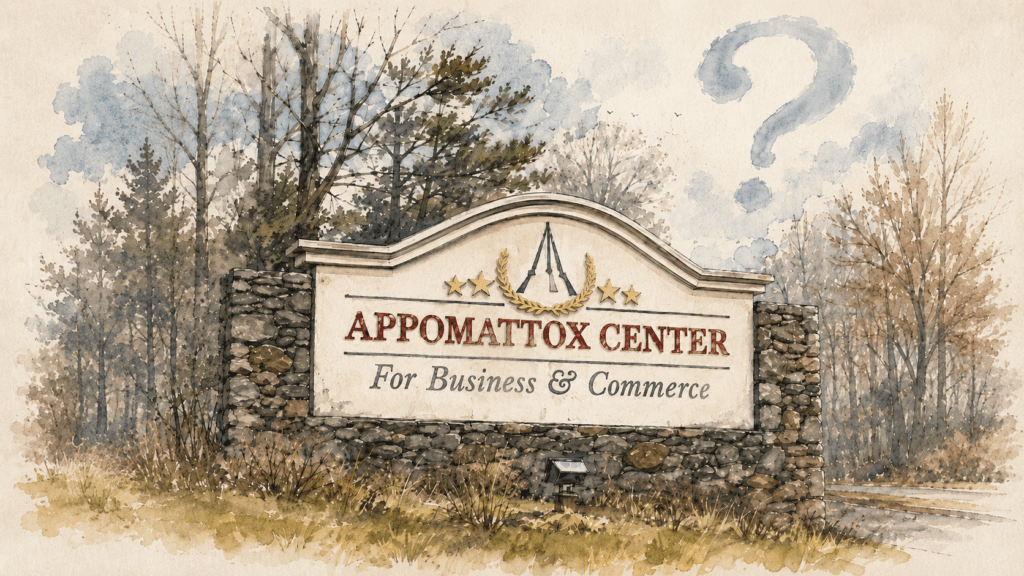
The conversation surrounding data centers has arrived here the way it has arrived in communities all over Virginia—quickly, and with strong opinions on both sides. I originally planned to stay quiet, but after a conversation recently, I realized that wasn’t the right call.
Before anything else, I do want to address, there are valid concerns on both sides of this debate.
For starters, supporters see real opportunity. Data centers can bring millions of dollars in tax revenue, infrastructure investment, and jobs into smaller communities that often struggle to attract large industries. Virginia is already considered one the data center capitals, and companies are increasingly looking farther south into rural areas where land is cheaper, and communities are hungry for economic growth.
For some people, that sounds like progress and in a way it can be. But, for others, it sounds like a warning.
The concerns residents are raising are valid and should not simply be dismissed as people being ‘against growth’. Data centers require enormous amounts of electricity to operate and significant amounts of water for cooling systems. In Utah, communities have raised serious alarms about what large-scale industrial water usage means for a state already battling severe drought, declining water levels, and growing conservation pressures. Virginia is facing its own drought conditions right now, and water is something many Appomattox residents are already watching closely.
When people hear about facilities that could consume enormous amounts of power and water, they start asking questions. And honestly, they should. What makes this issue difficult is that both sides are arguing from legitimate concerns. One side sees economic investment and the future of technology. The other sees strain on natural resources and uncertainty at a time when many families already feel stretched thin financially.
Both perspectives deserve to be heard.
Growth is coming whether communities are ready or not. Technology is not slowing down, and neither is the demand for digital infrastructure. Have you seen Bob the robot packer? The real question is not simply whether people support or oppose data centers. The real question is whether Appomattox can balance economic opportunity with responsible planning and long-term protection of local resources.
If the county moves forward, residents deserve honest answers before construction begins, not after.
How will water usage be managed during extended drought conditions? What protections will exist for local wells and reservoirs? What about noise—will there be sound barriers, landscaping buffers, or setbacks from residential areas? Many residents already experience power fluctuations during heavy demand periods. Can the existing grid realistically support both residential and large-scale industrial demand as summer temperatures continue rising?
And beyond the infrastructure questions: how many long-term jobs would actually be created? What tax revenue would directly benefit local residents? Would schools, roads, and emergency services see meaningful investment from what is generated?
These are not fear-based questions. They are the responsible questions any community should be asking before making a decision with long-term consequences.
Growth alone should never be the goal. Smart growth should be.
Communities should not have to choose between economic development and protecting their resources, quality of life, and long-term stability. But those conversations only happen when residents are informed, local leaders are transparent, and difficult questions are allowed to be asked openly.